The Equipment You Bought to Become Someone Else Is Still Waiting for You in the Corner
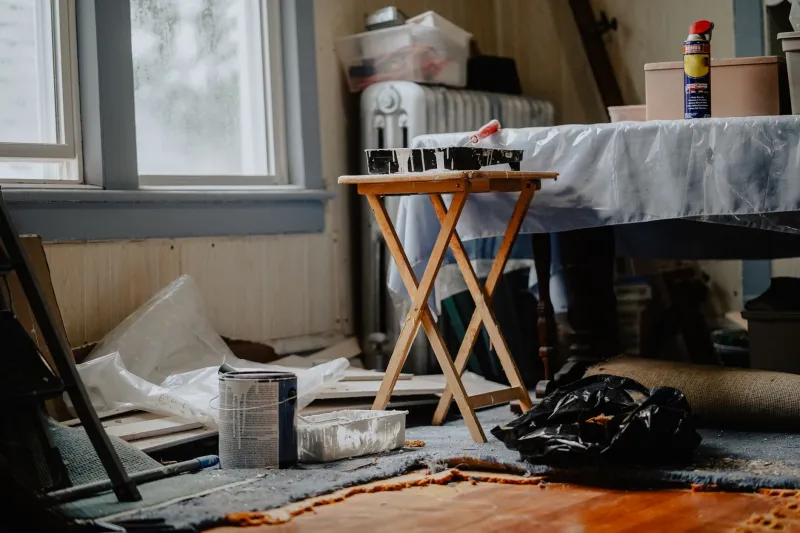
Somewhere in your apartment, your storage unit, or the particular purgatory of your second bedroom, there is an object. It cost more than it should have. It arrived in a box that required two people and a YouTube tutorial to open. You assembled it on a Sunday with the specific energy of someone who has finally, finally figured it out. And then you used it twice.
Welcome to the Aspirational Purchase Graveyard — population: every single one of us.
The Lie We Tell Ourselves in the Cart
Here is what actually happens when we buy expensive fitness equipment, language learning software, a loom, a sourdough starter kit, or a $300 set of professional oil paints: we are not buying a product. We are buying a narrative. The item in the cart is just the prop. The real transaction is between you and the imaginary future self who wakes up motivated, has a consistent routine, and does not spend forty-five minutes lying in bed watching videos of dogs being reunited with their owners.
The psychology here is almost embarrassingly well-documented. Researchers call it "goal substitution" — the cognitive sleight of hand where acquiring the gear feels so much like making progress that your brain quietly files it under "done." You bought the rowing machine. The rowing machine is in your home. Ergo, you are now a person who rows. Checkmark. Moving on.
The purchase is the peak experience. Everything after is just logistics, and logistics, as it turns out, are deeply unsexy.
A Field Guide to the Most Common Specimens
The Peloton (or its spiritual cousins) At its height, the Peloton was not a bike. It was a personality. You weren't just getting cardio — you were joining a community, a movement, a lifestyle curated by instructors with the energy of people who have genuinely never experienced a bad Monday. The monthly subscription fee is the part nobody mentions until month eight, when you're paying $44 to hang a cardigan on a stationary bike that knows exactly what you've done.
The Foam Roller and Resistance Bands Bundle This one is particularly cruel because it's affordable, which means you can't even be mad at yourself for buying it. It arrived in a little bag. You used the resistance band once, pulled something, and the whole kit has lived under your bed since March 2021. You tell yourself you're "saving it for when you get back into it." You are not getting back into it.
Rosetta Stone (or Duolingo Premium, or that Italian Udemy course) You were going to learn Italian before the trip. The trip was three years ago. You now know how to say "the apple is red" and "where is the train station" in a language you have not opened an app for since the flight home. The course is still in your email. The owl has given up.
The Standing Desk Converter You bought this because your back hurt and you read an article. You used it for eleven days, during which your back hurt differently. It now functions as a secondary monitor shelf and a place to put the mail you're not ready to deal with yet.
The Cricut Machine You were going to make things. Personalized things. Gifts with people's names on them. A small Etsy business, maybe. The Cricut sits in its box like a judgment wrapped in cardboard. You still get the marketing emails. They feel personal.
The Justification Phase (We All Know This One)
Here's where it gets truly impressive, because humans are nothing if not creative when it comes to retroactive rationalization. The equipment is not being used, and you know it, but that doesn't mean you're going to admit it. Instead, you have constructed an elaborate internal argument for why this purchase is still technically valid.
The classics include:
- "I'm going to use it when things calm down." (Things will not calm down. This is the pace now.)
- "It's actually really good for my mental health just knowing it's there." (This is not a thing.)
- "I used it for two months and that already paid for itself." (The math on this does not work.)
- "I'm waiting until I finish the program I already have before I start a new one." (You finished 40% of the program fourteen months ago.)
- "If I get rid of it, I'll definitely want it again immediately." (You will not.)
The justification phase can last years. Decades, even. There are people in their forties defending a NordicTrack they bought in 2009.
What This Is Actually About
Let's be honest with each other for a second, because this is a safe space and also because you're already reading a blog called Humped Life, so clearly we're past the point of performing.
The gear is not the problem. The gear is a symptom of something much more interesting, which is that change is uncomfortable and expensive equipment is not. Buying the thing is an action you can take right now that signals intention without requiring the sustained, boring, uncomfortable work of actually doing the thing. It is hope made tangible. It is the version of you that you want to be, gift-wrapped and delivered to your door in two business days.
And there is nothing wrong with wanting to be someone different. That impulse is human and good and the entire engine of self-improvement. The problem is when we let the purchase stand in for the process — when the rowing machine becomes the destination instead of the vehicle.
The other thing, and this one stings a little: sometimes we buy the equipment because we think that if we just create the right conditions, the motivation will show up. Like motivation is a houseguest who needs the guest room to be ready before they'll commit to a date. But motivation doesn't work that way. Motivation follows action. You don't wait to feel like rowing to start rowing. You row, badly, for three minutes, and then maybe you feel slightly less terrible about yourself, and then you do it again tomorrow.
The equipment was never going to do that part for you.
A Modest Proposal
You have a few options here. You could sell it — Facebook Marketplace is absolutely teeming with aspirational purchases from people who have reached exactly the same conclusion you're arriving at right now. You could donate it. You could also just... keep it, because sometimes the thing you need is not to optimize your space but to make peace with the fact that you tried something and it didn't stick and that is a completely normal and non-catastrophic outcome.
Or — and this is the chaotic option — you could actually use it. Not to become the 5 a.m. electrolyte person. Just for fifteen minutes, tonight, while you watch something you were going to watch anyway.
The rowing machine is right there. It's been waiting.
It's not mad. It's just ready when you are.